
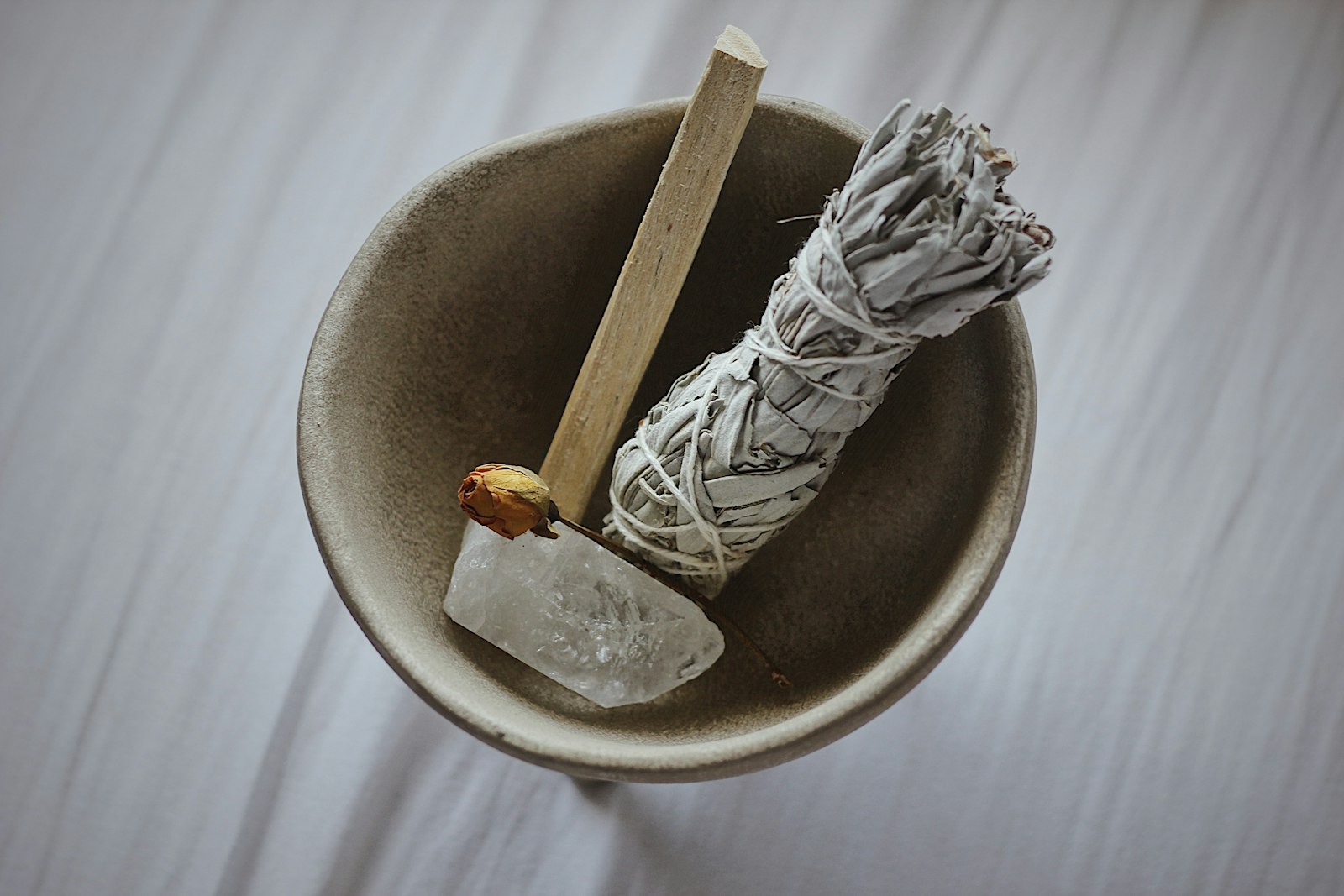
Aura cleansing has become one of the most talked-about practices in the world of holistic health in recent years. In this article we look at what the concept of the aura means, how aura cleansing is done, and how this practice is reflected in the scientific literature.
What Is an Aura?
An aura is defined as the energy field believed to surround a person. This idea overlaps with the concept of the biofield in academic circles. The biofield was defined at a workshop convened by the U.S. National Institutes of Health as a massless field that surrounds and permeates the body. Different traditions have given this energy different names, concepts such as chi in China, prana in India, and mana in Polynesian cultures all converge on the idea of an invisible energy surrounding the body.
What Does Aura Cleansing Aim to Do?
Aura cleansing is a practice aimed at clearing the dense or stagnant energy believed to build up in a person's energy field. The idea is that the stress of daily life, intense social interactions or negative experiences can build up a load in the energy field over time, and clearing this load regularly can bring mental clarity and emotional lightness.
What Happens During an Aura Cleansing Session?
Aura cleansing sessions typically take place in a quiet, calm setting. As the client sits or lies in a comfortable position, the practitioner uses contactless or light-touch hand movements over the body's energy field. Throughout the session, the goal is to guide the body into a state of deep relaxation and bring noticeable awareness to imbalances within the energy field. Clients frequently report easing of tension carried in the shoulders and chest, a quieting of busy thoughts, and an overall sense of renewal after a session.
Where Does Aura Cleansing Come From?
The idea of clearing an energy field does not belong to a single culture. Japanese-rooted practices such as Reiki aim to balance the body's energy through light touch or contactless hand positions. China's tradition of qigong and tai chi similarly focuses on balancing the flow of chi. India's concept of prana, along with the yoga and pranayama practices tied to it, shares the same core idea, that the body is surrounded by an invisible energy, and that the balanced flow of this energy forms the foundation of wellbeing.
What Does the Scientific Literature Say?
There is evidence that biofield-based practices produce a measurable relaxation effect on the autonomic nervous system. One study found that therapeutic touch produced measurable changes in autonomic nervous system tone, changes that could be detected through spectral analysis of heart rate variability. A comprehensive review also found that numerous clinical studies showed such practices having positive effects on pain and stress-related symptoms.
In the interest of scientific honesty, it should also be noted that the general scientific consensus holds that evidence for the effectiveness of these practices remains limited, and that observed benefits can largely be explained by the deep relaxation response. Researchers emphasise that this relaxation response is a genuine and valuable effect on the nervous system.
Conclusion
Aura cleansing is a complementary practice, rooted in a thousands-of-years-old understanding of energy, aimed at balancing a person's energy field and bringing mental clarity. It does not replace medical treatment, but when practised regularly it offers valuable support for those seeking deep relaxation and overall wellbeing.
References
- 01What Is Biofield Energy Healing and How Does It Work?, Biology Insights
- 02Sprengel, M. L., et al. (2025). Biofield Therapies Clinical Research Landscape: A Scoping Review and Interactive Evidence Map. Journal of Integrative and Complementary Medicine
- 03Sneed, N. V., et al. (2001). Influences of a Relaxation Intervention on Perceived Stress and Power Spectral Analysis of Heart Rate Variability. Progress in Cardiovascular Nursing
- 04What is the History of Reiki?, International House of Reiki
- 05Qi Energy in Chinese Medicine, Yo San University
- 06National Center for Complementary and Integrative Health (NCCIH), U.S. National Institutes of Health
This article is for informational purposes only and does not constitute medical advice. Aura cleansing is a complementary wellness practice; it does not replace medical diagnosis or treatment. Please consult a physician for any health concerns.