
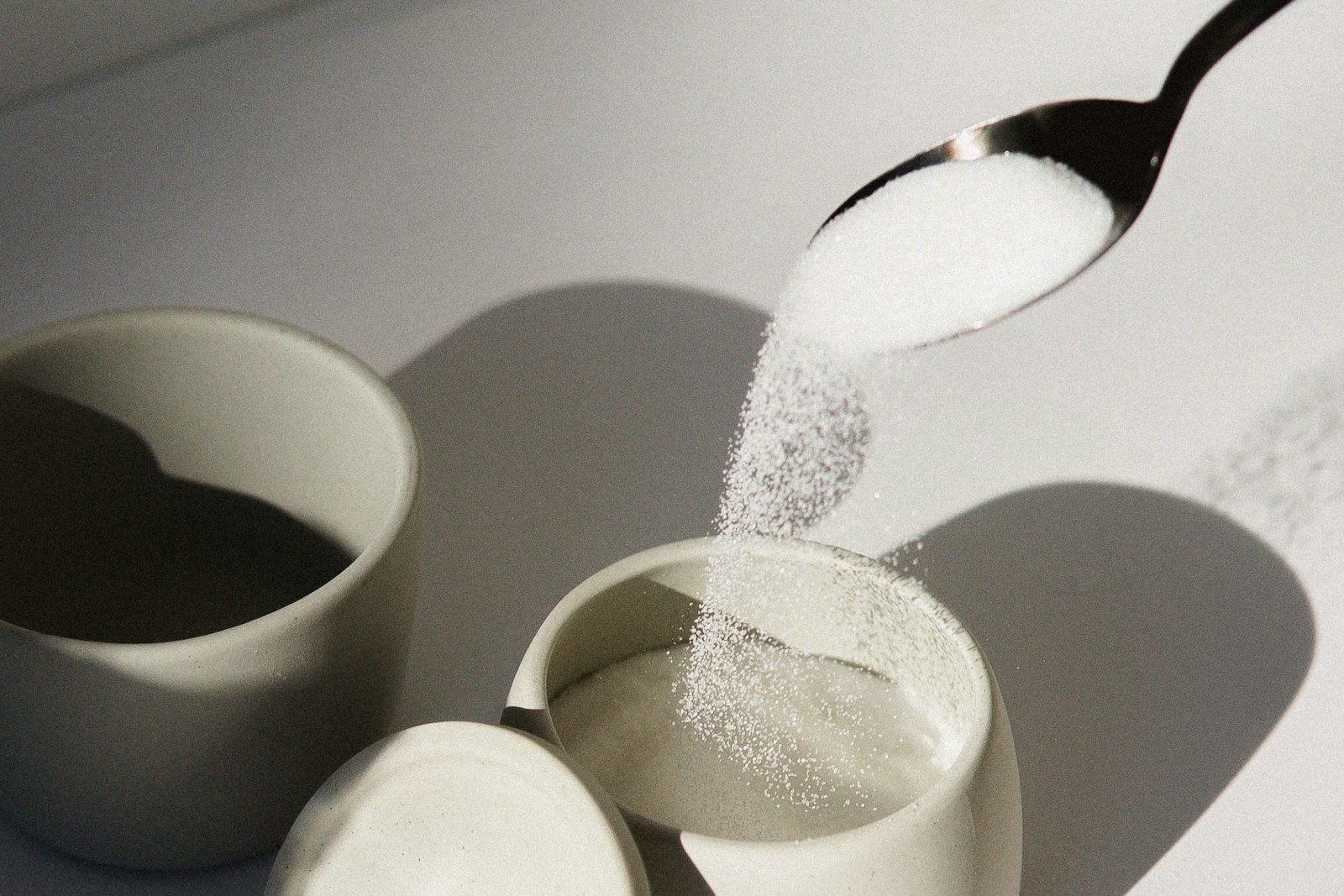
Refined sugar has worked its way into nearly every corner of the modern diet. It hides in beverages, desserts, packaged soups, sauces and processed snacks. In this article we look at the harm refined sugar causes in the body, how this habit can be reduced or quit through natural means, and what kind of support bioenergy balancing practices may offer in this process.
How Does Refined Sugar Affect the Body?
There is an important difference between natural sugars and refined sugar. Natural sugars found in fruit, vegetables and whole grains are digested slowly because they come packaged with fibre, protein and antioxidants. Refined sugar lacks these supporting nutrients, so it is digested quickly, causing rapid spikes in blood sugar and insulin levels.
The toll these spikes take on the body should not be underestimated. Research by Harvard scientists found that people who got 17 to 21 percent of their calories from refined sugar had a significantly higher risk of dying from cardiovascular disease. Excess sugar consumption also puts strain on the liver, contributing to fat accumulation and, over time, fatty liver disease, which in turn raises the risk of diabetes and heart disease. High sugar intake is also known to raise blood pressure and increase chronic inflammation.
The effects of refined sugar are not limited to the heart and metabolism. Advanced glycation end products, formed through reactions between sugar and protein in the body, can contribute to premature skin ageing and faster formation of wrinkles. Over the long term, excess sugar consumption has also been linked to obesity, type 2 diabetes, certain cancers and cognitive decline.
Can Refined Sugar Be Quit Naturally?
Refined sugar is known to trigger the release of dopamine in the brain, creating a reward loop that shares some pathways with substances known to be addictive. For this reason, cutting sugar suddenly and completely can lead some people to experience temporary withdrawal symptoms such as headaches, irritability, fatigue and energy fluctuations. Even so, it is entirely possible to reduce or quit refined sugar through natural, sustainable means.
The main approaches recommended by experts include the following:
- Reducing sugar gradually rather than suddenly, giving the palate and the body time to adjust
- Increasing protein and fibre at meals to extend feelings of fullness and reduce blood sugar swings
- Turning to natural sources of sweetness such as fruit, which also provide fibre and nutrients
- Drinking enough water, since thirst can sometimes be mistaken for hunger
- Getting adequate, regular sleep, since sleep deprivation can increase sugar cravings
- Staying physically active, which lowers stress and supports mood, indirectly easing sugar cravings
Experts also point out that sugar cravings are often driven not only by physical hunger but by stress, boredom or emotional discomfort. This pattern is sometimes described as emotional hunger, and it shows that managing sugar cravings is tied not just to dietary change but to stress management skills as well.
Can Bioenergy Offer Support in This Process?
Given that much of the process of quitting refined sugar is driven by emotional and stress-related triggers, it can be said that complementary practices supporting stress relief and the relaxation response may offer an indirect contribution to this process. Bioenergy balancing sessions aim to guide the body into a state of deep relaxation, supporting balance in the autonomic nervous system, an effect that has also been studied in the scientific literature through measures such as heart rate variability.
Honesty matters here: there is no scientific evidence that bioenergy directly treats sugar addiction or eliminates sugar cravings. However, the sense of relaxation that bioenergy sessions provide may help ease the tension behind stress-triggered emotional eating. In this sense, bioenergy can be considered a supportive element that does not replace the core steps of quitting sugar, dietary change, regular movement and a healthy sleep routine, but complements them.
Conclusion
Refined sugar can leave negative effects across many areas of the body, from heart health to skin health, from liver function to metabolic balance. Reducing or quitting this habit through a gradual, sustainable, natural approach is entirely possible. Alongside dietary and lifestyle changes, complementary practices such as bioenergy, which support the management of stress and emotional triggers, can offer an additional layer of support for a person's overall balance and sense of wellbeing.
References
- 01Is sugar unhealthy?, Harvard Health
- 02The sweet danger of sugar, Harvard Health
- 03The bitter truth about added sugar, Harvard Health
- 04A simple way to look at sugar, Harvard Health
- 05How Does Sugar Affect Health? 6 Harmful Effects of Sugar, MedicineNet
- 06How does refined sugar impact health? Here's what science has to say, ELO Health
- 07How to Break Sugar Addiction Naturally, Arista Recovery
- 08How To Stop Sugar Cravings: 8 Tips To Help You Resist, Cleveland Clinic
- 09How to Cut Back on Sugar and Improve Your Health, Banner Health
- 10Kicking your sugar addiction will lead to better health, UCLA Health
- 11What Is Biofield Energy Healing and How Does It Work?, Biology Insights
- 12Understanding the Healing Potential of Biofield Therapy in Mental Health Practice, Palo Alto University
- 13Biofield Therapies: Emerging Evidence for Energy-Based Healing, WellnessPlus by Dr. Jess MD
- 14What are Biofield Therapies?, Resonate Health
- 15Sprengel, M. L., Teo, L., Allen, S., Ijssennagger, N., Hammerschlag, R., Dyer, N. L., & Crawford, C. (2025). Biofield Therapies Clinical Research Landscape: A Scoping Review and Interactive Evidence Map. Journal of Integrative and Complementary Medicine
- 16Sneed, N. V., et al. (2001). Influences of a Relaxation Intervention on Perceived Stress and Power Spectral Analysis of Heart Rate Variability. Progress in Cardiovascular Nursing
- 17National Center for Complementary and Integrative Health (NCCIH), U.S. National Institutes of Health
This article is for informational purposes only and does not constitute medical advice. Please consult a physician or dietitian regarding sugar addiction, dietary habits, or metabolic health concerns. Bioenergy balancing is a complementary wellness practice; it does not replace medical diagnosis or treatment, and no claim is made that it treats any disease or addiction.