
Most people who book a first bioenergy session arrive with the same quiet question: what am I actually walking into? The field does itself no favours here. Descriptions online tend to swing between vague mysticism and clinical-sounding language that promises more than anyone should promise. So here is a plain description of the practice, without decoration.
Before you arrive
There is usually a short conversation first, by message, phone or email. Not an assessment, and not a diagnosis. The purpose is narrower than that: to understand what you are hoping to work on, whether the practice is a reasonable fit, and whether there is anything that means you should be speaking to a doctor instead. A practitioner who skips this step, or who tells you the work suits absolutely everyone, is telling you something useful about their standards.
You are asked to eat normally, drink water, and avoid arriving in a rush. That is the whole preparation.
The room
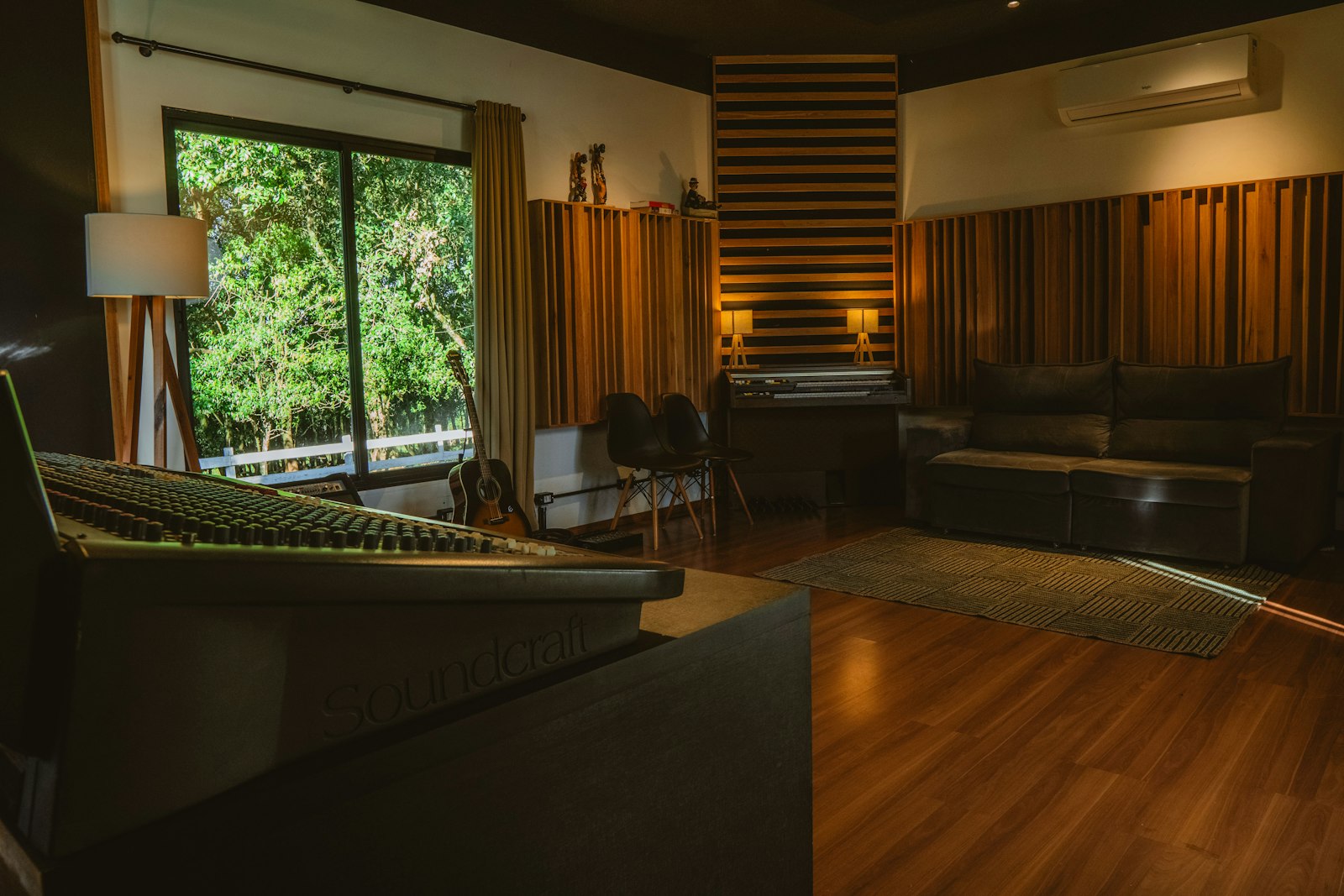
Nothing theatrical. A quiet room, a chair or a treatment table, low ambient noise. You stay fully clothed. You keep your shoes on or take them off, whichever you prefer. There is no equipment attached to you, no substances given to you, nothing you swallow, and nothing that leaves a mark.
The session itself
You sit or lie down. The practitioner works around you, sometimes with light contact at the shoulders, hands or feet, more often at a short distance from the body, moving slowly and deliberately. There are long stretches of silence. Some practitioners talk you through what they are doing; others work quietly and speak afterwards.
A session typically runs between forty and sixty minutes. Habit-focused work is usually structured as a short series rather than a single appointment, because the practice is about supporting a change you are already choosing to make, and that unfolds over days rather than minutes.
What people commonly notice
Reports vary enormously, and it is worth saying clearly that this is subjective experience, not measurement. Some people describe warmth, a heaviness in the limbs, tingling, or the particular kind of drowsiness that comes just before sleep. Some people notice nothing at all during the session and describe something shifting later. Some people feel emotional without an obvious reason. All of these are ordinary. None of them is a sign that the session is working or not working. There is no scoreboard.
Afterwards, most people are asked to take it slowly for the rest of the day. Water, a walk, an early night. Not because anything dramatic has occurred, but because the hour is genuinely restful and it is a shame to spend the benefit of it in traffic.
What it is not
This matters more than anything above.
Bioenergy work is not medicine. It does not diagnose, and it is not a treatment for any condition. It is not a substitute for prescribed medication, for a GP appointment, for psychological therapy, or for a specialist referral. Nobody should stop, reduce or delay medical care because of a session, and any practitioner who suggests otherwise should be walked away from immediately.
It is also not a system that acts on you while you remain passive. In habit-focused work in particular, whether tobacco, sugar or alcohol, the session supports a decision you have already made. The decision remains yours. The practice does not make it for you.
Whether it suits you
There is no personality type that responds and another that doesn’t. What does seem to matter is arriving with a decision rather than a hope that something will be decided for you, and a willingness to spend an hour doing nothing, which a surprising number of people find harder than it sounds.
If you are curious about the format, the honest advice is to ask the practitioner exactly the questions above before booking anything. A good one will answer them without hedging.
References
- 01Reiki, National Center for Complementary and Integrative Health (NCCIH), US National Institutes of Health
- 02What Does the Research Say about Reiki?, Earl E. Bakken Center for Spirituality & Healing, University of Minnesota
- 03Health: Therapies (General), Committee of Advertising Practice (CAP) / Advertising Standards Authority
- 04Advice for National Complementary Therapy Week, Committee of Advertising Practice
This article is for general information and does not constitute medical advice. Bioenergy work is a complementary wellbeing practice and is not a substitute for medical diagnosis or treatment. If you have a health concern, please speak to your GP.