
Longevity has become an industry, and a well funded one. Clinics offer biological age panels, full body imaging, supplement protocols and hyperbaric chambers. The marketing language is confident and the pricing is not modest.
Some of what is on offer rests on solid ground. Some of it rests on preliminary findings presented as settled. And the interventions with the strongest evidence behind them are, awkwardly for the industry, mostly free.
This is an attempt at an honest map.
What biological age tests actually tell you
The most visible product in the sector is the biological age test, usually an epigenetic clock built from DNA methylation patterns.
The underlying science is real. These clocks were developed for research and they perform well at population level, predicting mortality and disease risk across large groups better than chronological age alone. That is a genuine scientific achievement.
The problem is the translation to individuals. Researchers who work with these tools have been increasingly direct about the limitations: there are dozens of different clocks built for different purposes, they frequently disagree with one another when run on the same person, results can differ substantially depending on whether the sample is blood or saliva, and there is no standardised method across laboratories. Commentary in the scientific press notes that the same sample can produce significantly different results across commercial providers.
The reasonable conclusion is not that the tests are worthless. It is that a single number telling you that you are 42 when your passport says 47 is not measuring what the marketing implies, and should not be used to make decisions or to justify a supplement bill.
If you have taken one and found it motivating, that is fine. Just do not treat the number as a readout.
What has the strongest evidence
There is a quiet irony in this sector. The interventions with the most robust support are the ones no clinic can charge much for. Not smoking. By a wide margin the single largest modifiable factor. Everything else in this list is smaller.
Movement, consistently. The relationship between physical activity and mortality risk is one of the best established findings in epidemiology, and the largest gains come at the low end, from doing something rather than nothing.
Sleep, adequately and regularly. Both duration and regularity independently relate to health outcomes. Regularity is the part most people optimising their longevity stack neglect.
Alcohol, less of it. The evidence has moved over the past decade, and the older suggestion of a protective effect at low intake has weakened considerably under better methods.
Social connection. Consistently associated with mortality outcomes at a magnitude that surprises people when they first encounter it, and consistently absent from longevity protocols, presumably because it cannot be packaged.
Nature contact. Reasonable evidence, discussed in detail elsewhere in this collection, with a practical threshold of around two hours a week.
If a longevity plan does not start here, it is not a longevity plan. It is an add on being sold as a foundation.
Where the evidence thins
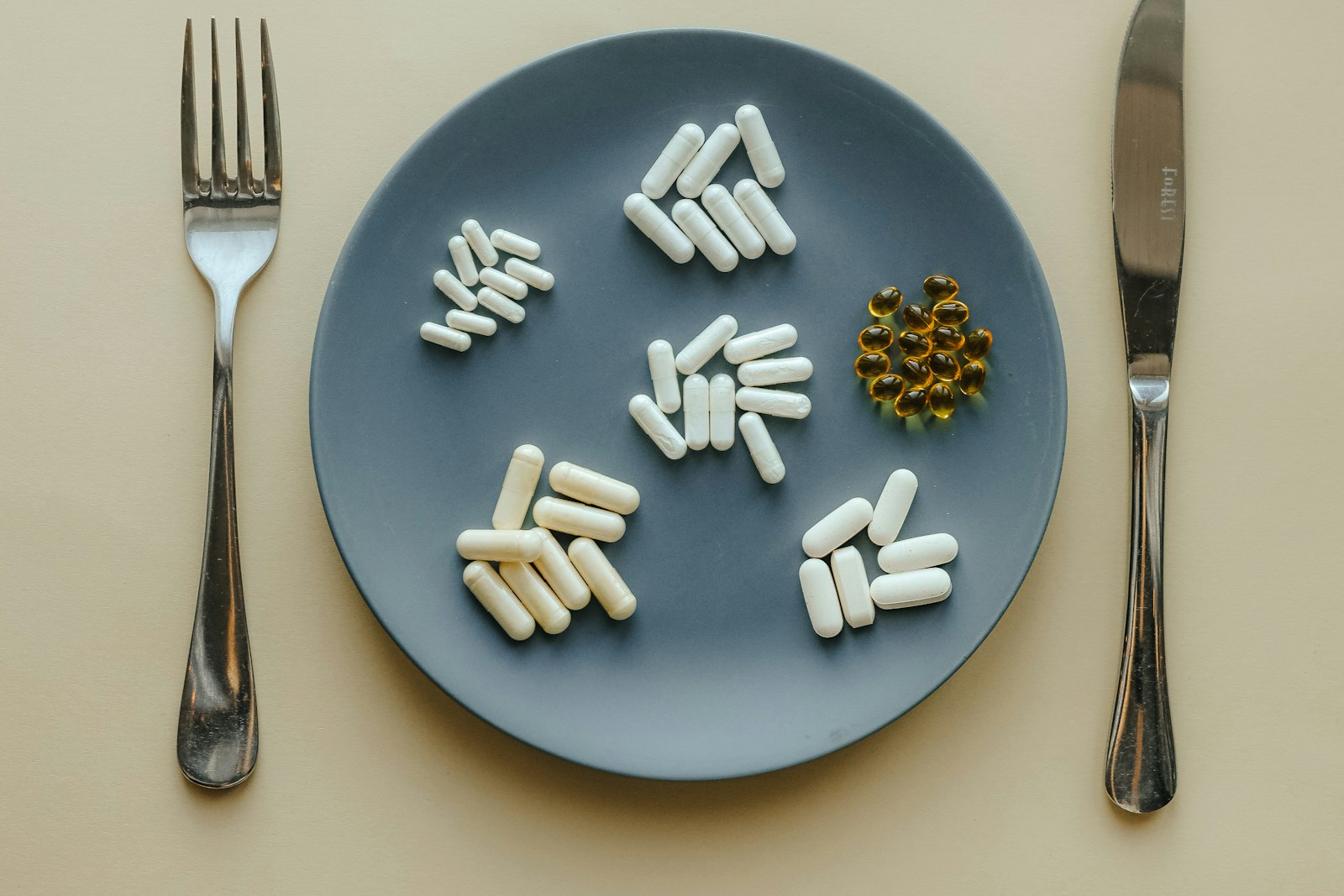
Supplements. A small number have specific evidence for specific deficiencies. The broad longevity compounds sold at scale mostly rest on animal work, cell studies, or short human trials with surrogate endpoints rather than outcomes. Promising is not the same as demonstrated, and the gap between the two is where most of the revenue sits.
Extreme protocols. Cold exposure, prolonged fasting, heat protocols and similar have preliminary human data of varying quality. Some may prove useful. Presenting them now as established is getting ahead of the evidence, and some carry real risk for people with existing conditions, which is a conversation for a doctor.
Full body screening in healthy people. Sounds prudent, and produces a meaningful rate of incidental findings that lead to further investigation, anxiety and occasionally procedures, without demonstrated benefit for asymptomatic individuals. This is a live debate rather than a settled one, and it is worth knowing that the debate exists before you book.
Where complementary practices honestly fit
This is the part where a practitioner in this field is expected to make a claim, so let me not. Bioenergy work, and complementary practices generally, have no evidence base for extending life. None is claimed here. What some people find is that a structured, unhurried hour supports the habit level changes that do have evidence, which is a modest claim and the only one that is defensible.
The useful question to ask of any longevity offering, including this one, is simple: what is the evidence, who produced it, and what does the person telling me about it stand to gain? A practitioner who cannot answer that calmly about their own work is not someone to build a decade around.
A reasonable order of operations
Start with the free tier: movement, sleep regularity, alcohol, tobacco, people, daylight. Give it six months, because most people have not actually done this properly and assume they have.
Then, if you want, add measurement, understanding what it can and cannot tell you.
Then, if something genuinely appeals and you have assessed it honestly, add the discretionary layer. Not before. The order matters more than the contents.
References
- 01Biological age tests reveal what slows or hastens aging, but they’re useful only for researchers, not consumers. The Conversation
- 02Epigenetic Clocks Power Biological Age Data, But Why Do Results Differ Across Tests? The Scientist
- 03White, M. P., et al. (2019). Spending at least 120 minutes a week in nature is associated with good health and wellbeing. Scientific Reports, 9, 7730
- 04Quit smoking, NHS Better Health
- 05Drink less alcohol, NHS Better Health
- 06Reiki, National Center for Complementary and Integrative Health (NCCIH), US National Institutes of Health
This article is for general information and does not constitute medical advice. Bioenergy work is a complementary wellbeing practice and is not a substitute for medical diagnosis or treatment. If you have a health concern, please speak to your GP.