
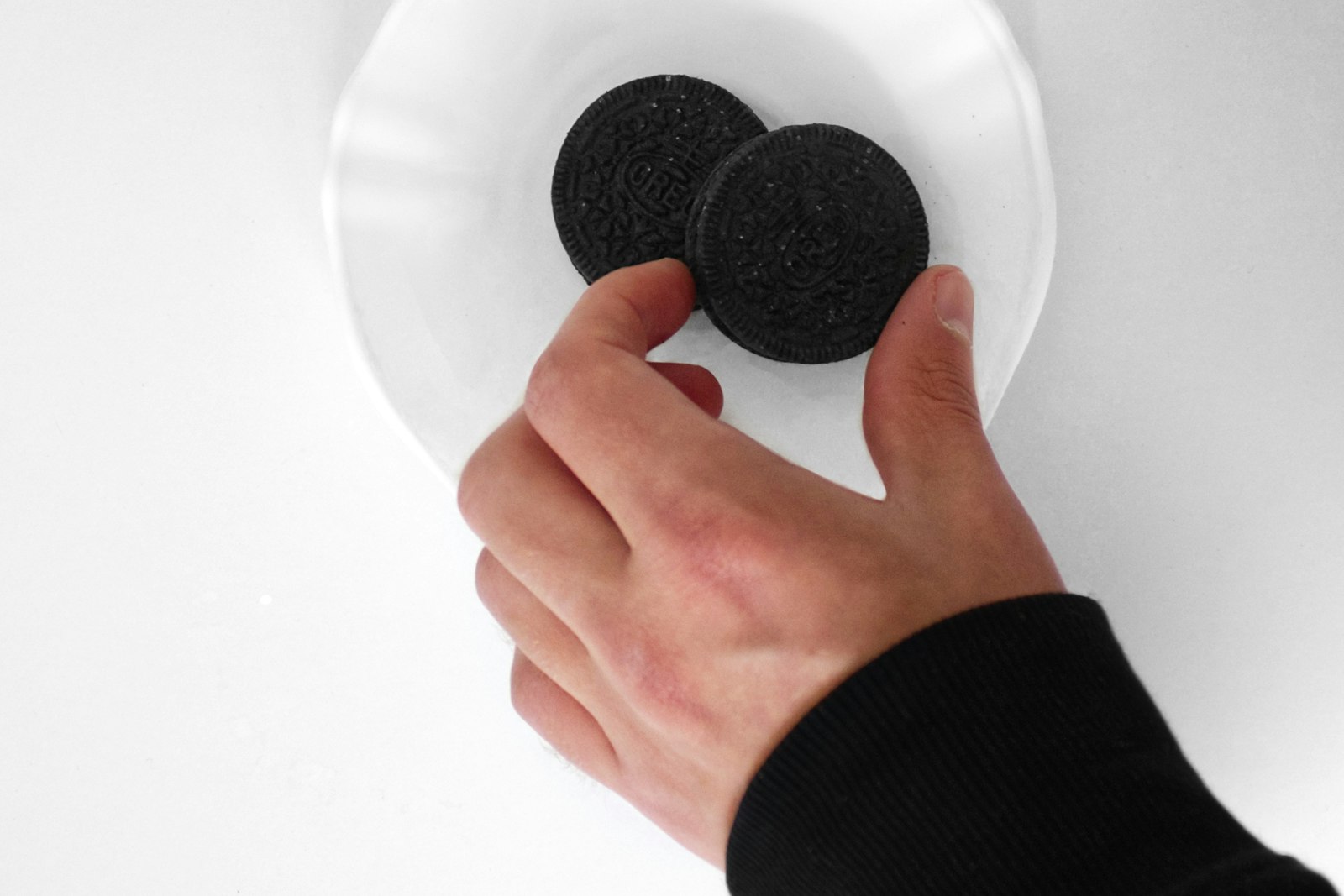
There is a specific kind of craving that arrives at almost the same time each day. Usually mid-afternoon. Usually not accompanied by actual hunger. And usually oddly precise about what it wants: not food in general, but something sweet, immediately, and preferably without having to leave the building.
The consistency of the timing is the clue. Genuine hunger is not that punctual.
Four things stacking at once
The energy dip is real, and partly biological. Most people experience a natural drop in alertness in the early-to-mid afternoon. It is a normal rhythm, not a malfunction. Sugar addresses the symptom quickly and briefly, which is exactly the profile that makes a behaviour stick.
Lunch may have set it up. A lunch built mainly on fast carbohydrates produces a rise and then a fall, and the fall lands in the afternoon. The craving at 4pm is often a message about what happened at 1pm.
It is a decision-load release valve. By mid-afternoon most people have spent hours making small choices. Cognitive fatigue makes the automatic option far more attractive than the considered one, and the biscuit is the most automatic option in the building.
It is a punctuation mark. Like the cigarette at the end of a phone call, the afternoon sweet thing often marks a transition: the end of a block of work, the shift from morning tasks to afternoon ones. The sugar is doing a structural job. Remove it without replacing the structure and the moment feels strangely unfinished.
Why “just resist it” performs badly
Resistance at 4pm asks for restraint at the exact hour when the capacity for restraint is at its lowest. That is poor scheduling, not weak character. Anything that relies on willpower landing precisely in the fatigue window is designed to fail.
The more useful interventions happen earlier in the day, before the moment arrives.
What works better
Change the lunch, not the afternoon. Protein and fat alongside carbohydrate flatten the curve. This single change often does more than any amount of 4pm discipline.
Move the decision upstream. Decide at 9am what happens at 4pm. A decision made while rested is a different decision from one made while depleted. Put the thing you have chosen physically within reach and the alternative out of sight.
Give the transition something to be. If the sweet thing is marking the end of a work block, the block still needs an ending. Three minutes outside, a walk to the far kettle, a glass of water drunk away from your desk. It sounds trivial. It works because it fills the structural role the biscuit was filling.
Rule out the boring explanations first. Under-eating at breakfast, mild dehydration, poor sleep the previous night and a long gap between meals all produce afternoon cravings. These are dull answers, which is precisely why people skip past them.
On dropping sugar entirely
Two things worth saying plainly.
The first: if you are considering a significant dietary change and you have any existing health condition, or you take any regular medication, that conversation belongs with a doctor or a registered dietitian before it belongs anywhere else. This is not a formality.
The second: if food has become a source of persistent distress, guilt or preoccupation, the useful support is clinical rather than lifestyle. In the UK, Beat runs a national helpline for eating difficulties, and a GP can refer onward. That route is more appropriate than any wellness approach, including this one.
The practical starting point
Track the timing for a week. Not the quantity, the timing. Most people discover the craving is not constant at all; it is two or three specific moments wearing the same coat. Two or three moments can be redesigned. A vague, all-day appetite for sugar cannot.
References
- 01Lally, P., van Jaarsveld, C. H. M., Potts, H. W. W., & Wardle, J. (2010). How are habits formed: Modelling habit formation in the real world. European Journal of Social Psychology, 40(6), 998–1009
- 02Eating problems: useful contacts, Mind
- 03Beat, the UK’s eating disorder charity
- 04I need support now, Beat Helpline
This article is for general information and does not constitute medical advice. Bioenergy work is a complementary wellbeing practice and is not a substitute for medical diagnosis or treatment. If you have a health concern, please speak to your GP.