
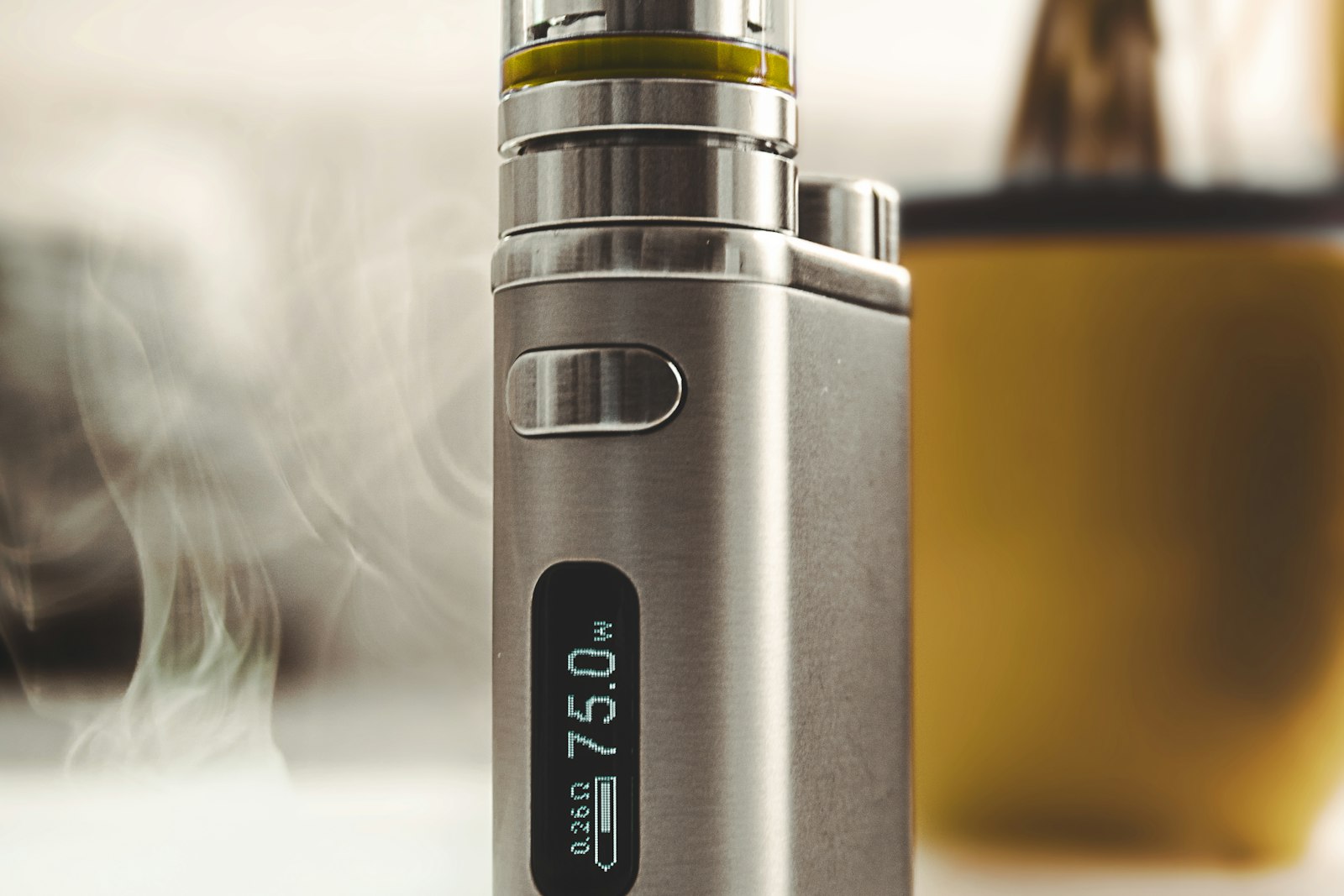
The number of people who want to quit vaping keeps growing. One study found that 62.4 percent of e-cigarette users aged 18 to 34 planned to quit. In this article we look at why the process of quitting vaping is difficult and what methods make it easier.
Why Is Quitting Vaping Similar to Quitting Smoking?
Even though e-cigarettes don't contain tobacco, most contain nicotine, which makes them just as addictive as cigarettes. For this reason, experts note that quitting vaping largely resembles quitting smoking, both involve nicotine addiction and can bring similar withdrawal symptoms during the quitting process. Research on quitting vaping specifically is still limited, but experts believe the methods that work for quitting smoking largely apply to vaping as well.
Symptoms You Might Encounter During the Process
People who become dependent on nicotine can experience withdrawal symptoms when they stop vaping. These symptoms include irritability, restlessness, increased appetite and intense cravings. Managing these symptoms is an important part of the process, but it's not enough on its own, because vaping is also a learned behaviour, one that needs to be unlearned as well.
Steps That Make the Process Easier
The main approaches recommended by experts include:
- Clarifying your reason for quitting, identifying a personal motivation such as feeling healthier, saving money, or protecting relationships
- Setting a specific quit date, which increases accountability
- Recognising your triggers, understanding which situations, emotions or settings trigger the urge to vape
- Staying physically active regularly, exercise helps cope with cravings and productively reduces stress
- Discussing nicotine replacement therapy options with a healthcare provider, patches or gum may help reduce cravings
- Talking to a counselor or quit coach, for support managing crisis moments and stressful situations
- Making use of support systems, free helplines and online programs offer support throughout this process
Alternative Ways to Cope With Stress
Many people believe vaping helps them cope with stress, but this actually makes the quitting process harder, because while trying to break free from nicotine addiction, a person is also losing one of their tools for coping with stress. For this reason, identifying healthy stress management alternatives in advance, such as breathing techniques, short walks, or talking to a friend, can make the quitting process easier.
What If You Start Again?
Returning to vaping during the quitting process is common and doesn't mean failure. Experts recommend viewing even a short period of quitting as a success, and treating the process as a learning opportunity rather than being harsh on yourself.
Conclusion
Quitting vaping is a process similar to quitting smoking because of nicotine addiction, and it can often be challenging. Clarifying your reason for quitting, recognising your triggers, staying active regularly, and seeking professional support when needed make this process more manageable. Being patient with yourself and viewing the process as a journey is one of the most important factors for lasting change.
References
This article is for informational purposes only and does not constitute medical advice. Please consult a physician during your vaping cessation process.