
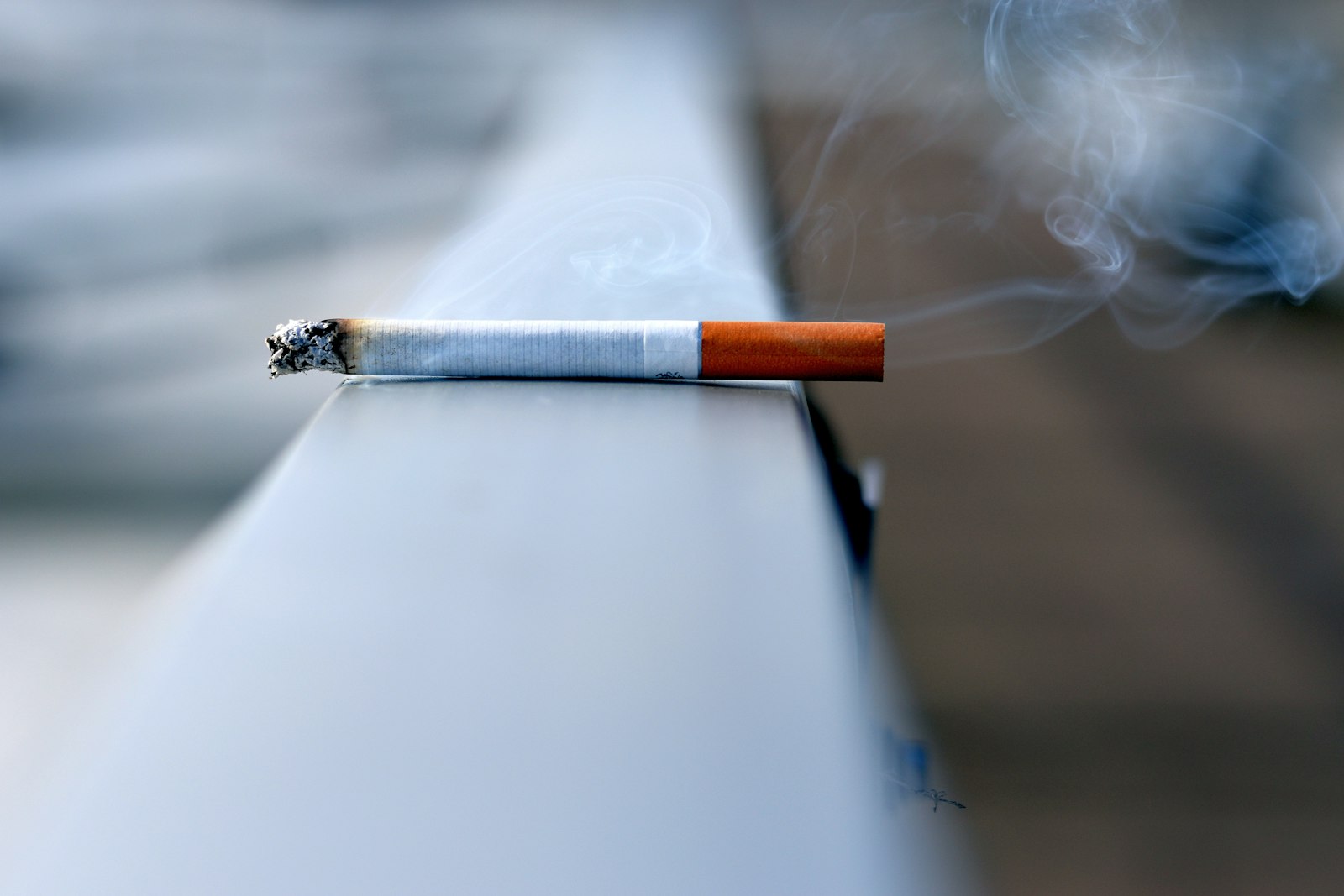
Many people looking to break free from habits such as smoking, sugar and alcohol are turning to drug-free, natural approaches. In this article we look at scientifically supported natural methods for quitting these three habits, and how bioenergy balancing may play a role in this process.
Quitting Smoking Naturally
The highest success rates in quitting smoking are seen in approaches that combine medication with counselling, but many people prefer a medication-free path. Trying to quit entirely alone, without any support, succeeds only 3 to 5 percent of the time, while structured behavioural programs can raise that rate to 20 percent, and in some programs as high as 38 percent.
The main steps that support quitting smoking naturally include:
- Focusing on riding out a craving, knowing that cravings typically peak and fade within 10 to 15 minutes
- Staying away for a while from drinks like coffee and alcohol that are associated with smoking
- Finding alternatives to keep the hands and mouth busy, such as vegetables, gum or a cinnamon stick
- Staying physically active, since even a short walk can ease cravings
- Clearing the home, car and workplace of smoking-related items
- Writing down the reason for quitting and returning to it during moments of craving
There is some evidence that methods such as acupuncture and hypnotherapy have a meaningful effect on smoking cessation rates, though it's noted that more research is needed before these can be widely recommended.
Quitting Sugar Naturally
Refined sugar triggers a dopamine-driven reward loop in the brain, which is why cutting it suddenly can lead to temporary withdrawal symptoms in some people. Reducing sugar gradually, increasing protein and fibre at meals, turning to natural sources of sweetness such as fruit, and drinking enough water are among the most commonly recommended approaches for this process. Experts also point out that sugar cravings are often fuelled by stress or emotional discomfort, showing that quitting sugar is tied not only to diet but to stress management as well.
Reducing Alcohol Naturally
Similar principles apply to those looking to cut back on alcohol. Protecting sleep patterns, staying physically active, and becoming aware of the social settings or habits that trigger drinking are important steps in the process of cutting back. While alcohol may feel relaxing in the short term, it is known to actually disrupt sleep and, over time, weaken a person's capacity to cope with stress.
What Can Bioenergy Offer in This Process?
Given that a significant part of habits such as smoking, sugar and alcohol is fuelled by stress, anxiety or the need to fill an emotional gap, it can be said that bioenergy balancing sessions, which aim to guide the body into a state of deep relaxation, may offer an indirect contribution to this process. Scientific literature has shown that bioenergy-based practices produce a measurable relaxation effect on the autonomic nervous system.
Clarity matters here too, there is no scientific evidence that bioenergy directly treats an addiction. However, the sense of relaxation that sessions provide may help ease the tension behind stress-triggered cravings. In this sense, bioenergy can be considered a supportive element that does not replace the core steps of quitting a habit, namely behavioural change, support systems and professional help when needed, but complements them.
Conclusion
It is possible to quit habits such as smoking, sugar and alcohol naturally, though this process usually requires a gradual approach, behavioural change and a strong support system. Alongside this process, complementary practices such as bioenergy, which support managing stress and emotional triggers, can offer an additional layer of support for a person's overall balance.
References
- 01Tips For Quitting, CDC
- 02Quitting without Using a Medicine, CDC
- 03How to Stop Smoking Naturally Without Medication, ScienceInsights
- 04Quitting smoking: 10 ways to resist tobacco cravings, Mayo Clinic
- 05How to Break Sugar Addiction Naturally, Arista Recovery
- 06Kicking your sugar addiction will lead to better health, UCLA Health
- 07What Is Biofield Energy Healing and How Does It Work?, Biology Insights
- 08Sneed, N. V., et al. (2001). Influences of a Relaxation Intervention on Perceived Stress and Power Spectral Analysis of Heart Rate Variability. Progress in Cardiovascular Nursing
This article is for informational purposes only and does not constitute medical advice. Please consult a physician regarding any addiction, dietary habit, or health concern. Bioenergy balancing is a complementary wellness practice; it does not replace medical diagnosis or treatment, and no claim is made that it treats any addiction.