
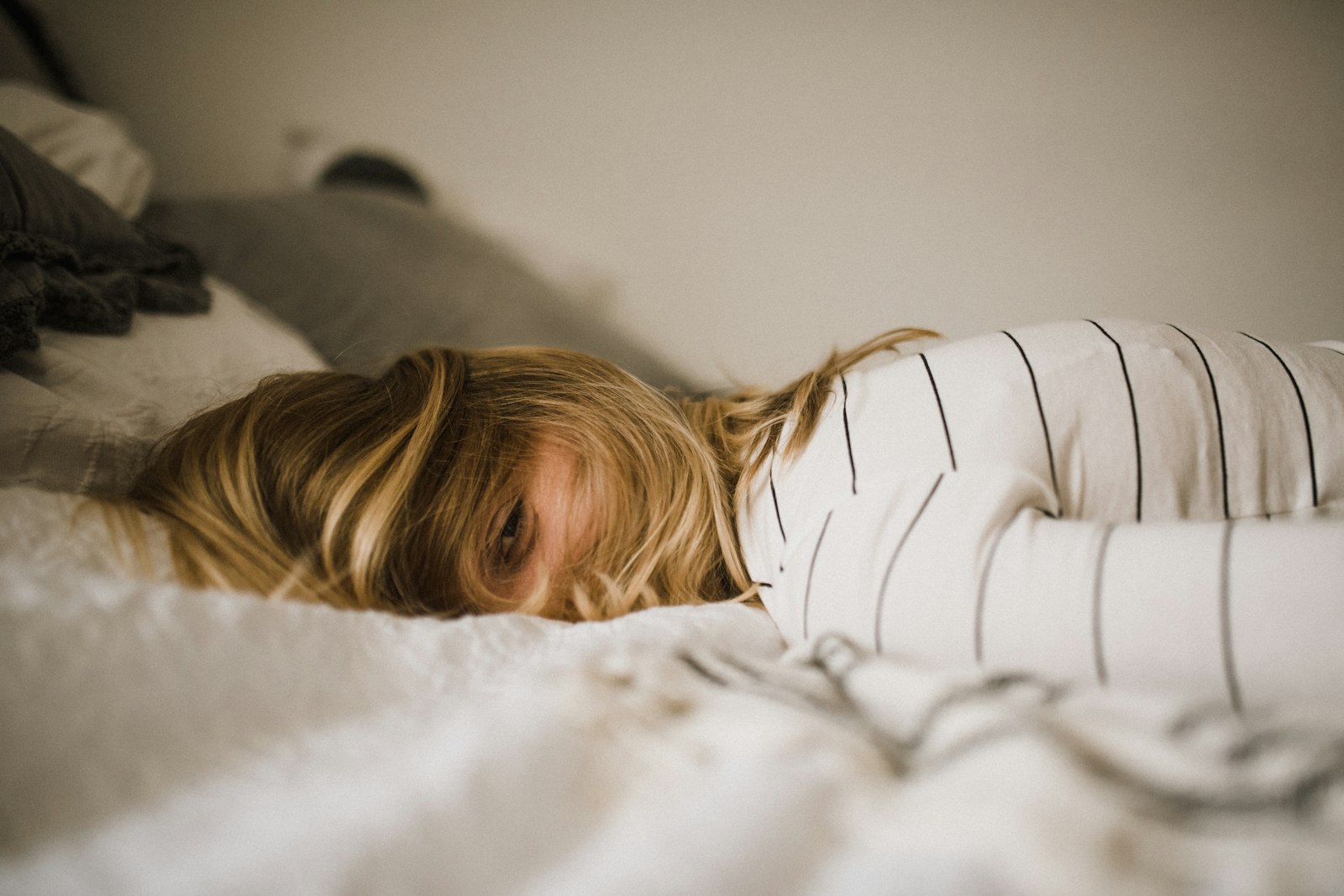
Struggling to fall asleep, waking up repeatedly through the night, or getting out of bed without feeling rested is a problem shared by many people today. The number of people looking for drug-free ways to cope with insomnia keeps growing. In this article we look at scientifically supported natural approaches to insomnia and how bioenergy balancing may offer support in this process.
Why Does Insomnia Happen?
Insomnia is most often linked to stress, anxiety or irregular lifestyle habits. A mind that stays constantly busy, or wrestling with the worry of "I won't be able to sleep" even while trying to fall asleep, can pull the body further away from sleep. Experts note that chronic insomnia is usually tied not to a single cause but to a combination of thought patterns and behaviours.
Scientifically Supported Natural Approaches
Among drug-free approaches to insomnia, the one with the strongest scientific backing is cognitive behavioural therapy for insomnia. This approach focuses on reframing negative thoughts about sleep and improving sleep habits, and sleep specialists generally recommend it as a first-line treatment option.
Alongside this, many simple daily steps can also support sleep quality:
- Going to bed and waking up at the same time every day, to support the body's natural rhythm
- Staying away from screens before bed, since blue light can disrupt sleep patterns
- Limiting caffeine, nicotine and alcohol, especially in the evening
- Keeping the bedroom cool, dark and quiet
- Building a calming pre-sleep routine, such as a warm shower, soft music, or journaling
- Staying physically active regularly, but not too close to bedtime
- Trying relaxation techniques such as meditation, guided imagery or progressive muscle relaxation
Research offers evidence that yoga, tai chi and relaxation techniques may support sleep quality, though studies in these areas remain limited and more research is needed.
How Can Bioenergy Support the Sleep Process?
Given that insomnia is largely fuelled by stress and mental overload, bioenergy balancing sessions, which aim to guide the body into a state of deep relaxation, can be said to offer an indirect contribution to this process. Scientific literature has shown that bioenergy-based practices produce a measurable relaxation effect on the autonomic nervous system, one that can be tracked through measures such as heart rate variability.
Honesty matters here too, there is no scientific evidence that bioenergy directly treats insomnia. However, the deep relaxation that sessions provide may help calm the mind and create conditions that make it easier to fall asleep. In this sense, bioenergy can be considered a supportive element that does not replace core steps such as sleep hygiene and regular lifestyle habits, but complements them.
Conclusion
The most solid way to cope with insomnia is to combine evidence-based approaches, regular sleep habits and relaxation techniques. Alongside this process, complementary practices such as bioenergy, which support easing stress and mental overload, can offer an additional layer of support for a person's overall balance and capacity for relaxation.
References
- 01Insomnia treatment: Cognitive behavioral therapy instead of sleeping pills, Mayo Clinic
- 02Sleep tips: 6 steps to better sleep, Mayo Clinic
- 03Insomnia: How do I stay asleep?, Mayo Clinic
- 04Natural Cures for Insomnia: From Acupressure to Yoga, Sleep Foundation
- 05Best Natural Remedies for Sleep: Science-Backed Tips, National Council on Aging
- 06What Is Biofield Energy Healing and How Does It Work?, Biology Insights
- 07Sneed, N. V., et al. (2001). Influences of a Relaxation Intervention on Perceived Stress and Power Spectral Analysis of Heart Rate Variability. Progress in Cardiovascular Nursing
- 08National Center for Complementary and Integrative Health (NCCIH), U.S. National Institutes of Health
This article is for informational purposes only and does not constitute medical advice. If your sleep problems persist over a long period, please consult a physician or sleep specialist. Bioenergy balancing is a complementary wellness practice; it does not replace medical diagnosis or treatment.