
Much has been said about chakras and the aura, yet the concepts remain unclear to many people. In this article we look at what the chakra system is, how it relates to the aura, and ways to keep our energy centres in balance.
What Is a Chakra?
Chakra is Sanskrit for "wheel" or "cycle," and it describes energy centres believed to exist within the body. The concept emerged in India between 1500 and 500 BCE, first appearing in the Vedas, and later expanded through philosophical texts such as the Upanishads. In the traditional framework, there are seven main chakras arranged along the spine, each associated with a different dimension of physical, emotional and spiritual wellbeing.
How Do Chakras Relate to the Aura?
In energy traditions, each chakra corresponds to one of the layers that make up the aura. Energy enters the body through the crown chakra and circulates through all the other chakras, stepping down layer by layer through the aura, or biofield. This circulation reflects the idea that chakras are not independent of one another but form an interconnected system in constant interaction. An imbalance in one chakra can, over time, be reflected in the others.
What Happens When Chakras Are Out of Balance?
According to energy traditions, when a chakra functions in balance, a sense of peace and equilibrium is felt in its associated area, while imbalance can bring both physical and emotional symptoms. The root chakra, for instance, is associated with feelings of safety and groundedness, imbalance can bring forward feelings of anxiety or insecurity. The heart chakra is associated with love and compassion, imbalance can bring forward feelings of jealousy or loneliness.
Ways to Keep the Chakras and the Aura in Balance
The main approaches recommended within energy traditions to support chakra and aura balance include:
- Meditating and practising breathwork, time spent in stillness in particular supports the energy centres
- Practising yoga, different yoga poses are associated with different chakras
- Spending time in nature and making contact with the earth, especially recommended for the root chakra
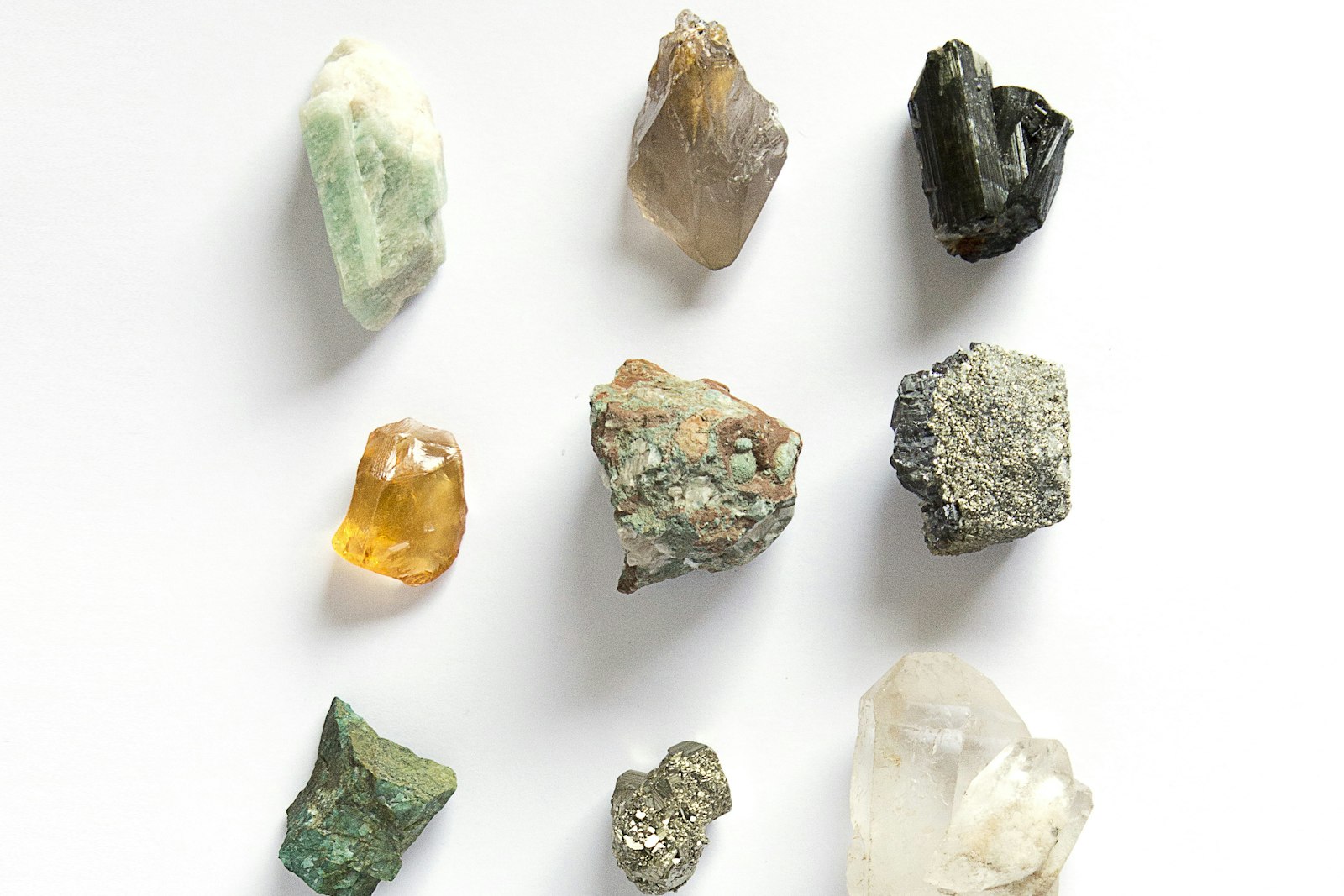
- Using crystal stones, each stone is believed to correspond to a particular chakra
- Making use of aromatherapy oils, the sense of smell is directly linked to emotional and energetic balance
- Integrating awareness and self-care practices into daily life
How Does Science View Chakras?
Honesty matters here. In modern anatomy, the glands and nerve clusters associated with chakras have well-understood biological functions, and explaining them does not require an energy field. There is no scientific evidence that chakras exist as measurable, physical structures, no imaging technology has detected spinning energy disks in the body. That said, the concept of the biofield, an energy field believed to surround and permeate living organisms, continues to be discussed in scientific settings as well.
Despite this scientific reservation, the practices of chakra balancing themselves, meditation, awareness and personal development, appear to hold real value for many people. Even without scientific proof, these practices can help people feel more centred and find inner peace.
Conclusion
The concepts of chakra and aura rest on an understanding of energy thousands of years old, offering a framework that treats body, mind and spirit as a whole. While science has not yet confirmed these concepts as a measurable reality, meditation, breathwork and awareness practices aimed at balancing these energy centres can be valuable tools for supporting a person's overall sense of wellbeing.
References
- 01What Is a Chakra? The 7 Energy Centers Explained, ScienceInsights
- 02The 7 Chakras: What They Are and How To Focus on Them, Cleveland Clinic
- 03Beginner's Guide to the 7 Chakras: Locations and Symptoms of Blockage, Healthline
- 04The Comprehensive Guide to Understanding and Balancing Your 7 Chakras, The Art of Living
- 05Understanding Chakras: A Holistic Guide to the Energy Center in the Body, Whole Harmony
- 06National Center for Complementary and Integrative Health (NCCIH), U.S. National Institutes of Health
This article is for informational purposes only and does not constitute medical advice. Chakra and aura balancing is a complementary wellness practice; it does not replace medical diagnosis or treatment. Please consult a physician for any health concerns.