
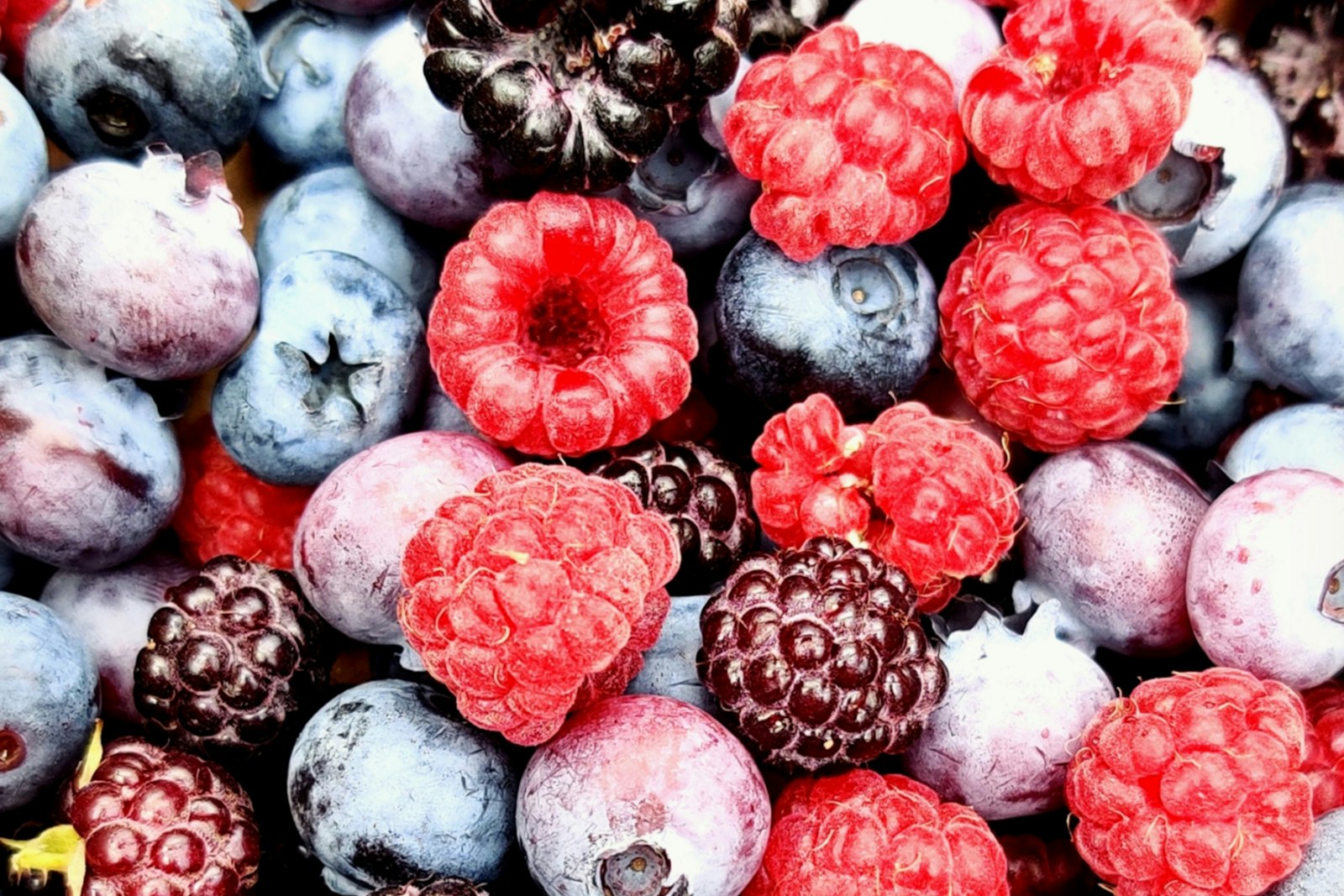
When people think of sugar, processed foods usually come to mind first, but fructose, the natural sugar found in fruit, has also become a topic of debate in recent years. In this article we look at what fructose is, and whether the kind found in fruit is actually harmful.
What Is Fructose?
Fructose is a natural sugar that gives fruit its sweetness. It also makes up half of table sugar (sucrose) and is commonly found in industrial sweeteners like corn syrup. Unlike glucose, fructose needs to be processed by the liver before the body can use it.
Is Fructose in Fruit the Same as Processed Fructose?
There's a critical distinction here. The natural fructose found in fruit and vegetables comes "packaged" together with fibre, water, vitamins and minerals. These additional components slow down fructose absorption and reduce its impact on blood sugar. Fructose from processed sources, such as high-fructose corn syrup or refined table sugar, lacks these protective components, leading to rapid absorption and a high fructose load delivered to the liver.
How Does Science View Fruit Sugar?
Research shows that naturally occurring fructose in fruits and vegetables, consumed at recommended levels, has no harmful effect on health. Eating whole fruit can help lower the risk of heart disease, type 2 diabetes and several types of cancer, and it's noted to have protective effects on brain and gut health.
Dosage is also an important factor. One study found that consuming 128 grams of fructose per day didn't lead to increased liver fat or reduced insulin sensitivity, while very high amounts around 255 grams did produce these effects. A systematic review found that a person's intake needed to be in the top 5th percentile for fructose to create metabolic problems. Getting that much fructose from fruit alone is nearly impossible, since fruit is bulky and filling due to its fibre content, which makes overconsumption difficult.
When Does Excess Fructose Become a Problem?
The issue lies less with fructose itself and more with its source and quantity. High amounts of fructose from processed sources can lead to fat accumulation in the liver, insulin resistance, and over time, fatty liver disease. Sugary drinks are particularly notable here, because fructose consumed in liquid form is absorbed quickly and doesn't create a feeling of fullness, which can lead a person to consume large amounts without realising it.
Conclusion
Even though the fructose in fruit and the fructose in processed foods are the same molecule, they reach the body in completely different ways. Whole fruit, coming packaged with fibre and nutrients, is a safe, and even beneficial, source of fructose for most people. What deserves real attention is the amount of added fructose in sugary drinks and processed foods. A daily intake of one and a half to two cups of fruit falls within the recommended range, and consuming fruit at this level has been shown not to pose a health risk.
References
- 01Is Fructose Actually Bad For You? 5 Truths You Need to Know, NASM
- 02Is Fructose Bad for You? The Surprising Truth, Healthline
- 03Fructose: The Sweet Truth About Its Effects on Your Health, Nutrisense Journal
- 04Is Fruit Sugar Bad for You?, GoodRx
- 05Fructose Metabolism and Relation to Atherosclerosis, Type 2 Diabetes, and Obesity, PMC
This article is for informational purposes only and does not constitute medical advice. Please consult a physician or dietitian regarding your diet.