
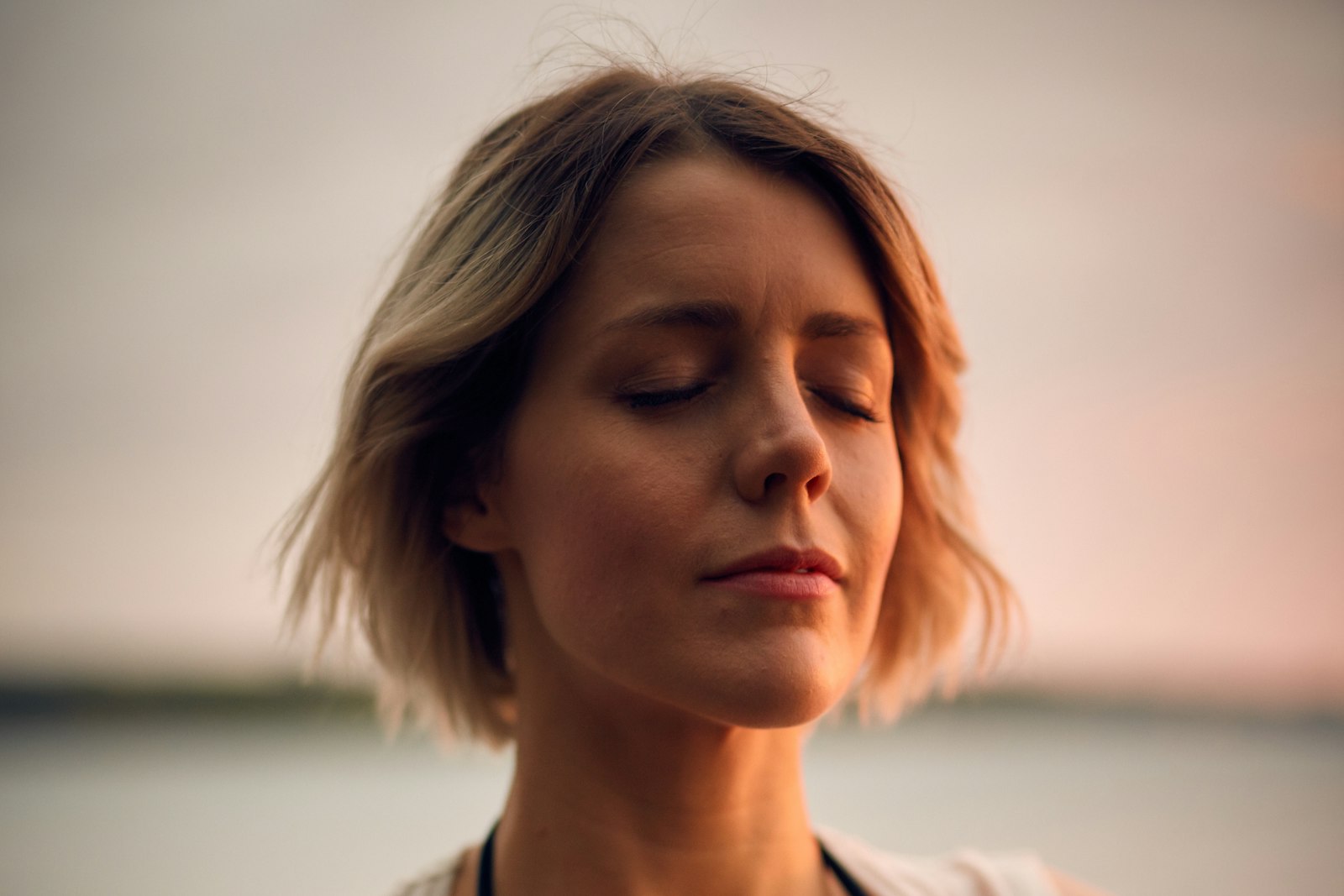
Feeling tense or anxious is a common human experience, and for some people it becomes more than occasional: in the United States, the National Institute of Mental Health estimates that roughly one in five adults experiences an anxiety disorder in a given year. In this article we look at simple, evidence-based techniques that many people use to feel calmer in everyday life.
How Does Anxiety Show Up in the Body?
When anxiety arises, the body's sympathetic nervous system, the system responsible for the "fight or flight" response, kicks into gear. This leads to physiological responses such as an increased heart rate, shortness of breath and muscle tension. Relaxation techniques can help reduce these responses and have been shown to lower cortisol levels.
Scientifically Supported Natural Techniques
Breathing techniques are among the fastest and most accessible tools for coping with anxiety. Deep, diaphragmatic breathing activates the parasympathetic nervous system, the body's calming system. This lowers heart rate, reduces muscle tension, and slows the production of stress hormones such as cortisol.
Some of the most commonly recommended techniques include:
- Box breathing: inhaling for four seconds, holding for four seconds, exhaling for four seconds, and holding again for four seconds
- 4-7-8 breathing: inhaling for four seconds, holding for seven seconds, and exhaling slowly over eight seconds
- Resonance breathing: breathing at a rate of about five breaths per minute, inhaling to a count of five and exhaling to a count of five
- Progressive muscle relaxation: tensing and releasing muscle groups in sequence to ease physical tension
- Pursed-lip breathing: inhaling through the nose and exhaling slowly through pursed lips
What these techniques have in common is that conscious breath control triggers a relaxation response in the body. Experts note that practising these techniques regularly during calm moments makes them more effective when a crisis moment actually arises.
Conclusion
The most solid way to feel calmer day to day is to practise evidence-based approaches such as breathing techniques and muscle relaxation regularly. If anxiety is severe or long-lasting, reaching out to a mental health professional is always the right step.
If you are concerned about your health, or about your use of alcohol, tobacco or other substances, please speak to your doctor.
References
- 01Relaxation Techniques, StatPearls, NCBI Bookshelf, NIH
- 027 breathing exercises to calm anxiety and promote relaxation, Calm
- 03Top 7 Breathing Techniques For Anxiety And Reducing Stress, Oak Street Health
- 04Top 10 Breathing Exercises for Anxiety Relief, The Mindfulness App
- 05Any Anxiety Disorder, National Institute of Mental Health (NIMH), US National Institutes of Health
This article is for informational purposes only and does not constitute medical advice. If your anxiety symptoms are severe or affecting your daily life, please consult a physician or mental health professional. Bioenergy is a complementary wellness practice; it does not replace medical diagnosis or treatment.