
The idea of an invisible energy that keeps the body alive has endured across different parts of the world for thousands of years. In China this energy was called chi, in India it was called prana, and movement-based practices such as tai chi were developed to balance it. In this article we look at the concepts of chi and prana, the similarities between them, and the origins of tai chi, one of the best known practices to emerge from chi culture.
What Is Chi?
Chi is defined as the vital energy that nourishes and animates the body, sitting at the centre of Traditional Chinese Medicine and Chinese philosophy. According to legend, the roots of chi culture trace back to the Yellow Emperor, believed to have reigned between 2696 and 2598 BCE, giving the practice a history spanning more than five thousand years. In traditional Chinese thought, health, vitality and longevity depend on the balanced, unobstructed flow of chi through the body. Chi is believed to flow through the body along pathways called meridians. Practices such as acupuncture, Chinese herbal medicine, qigong and tai chi all share the same underlying goal, supporting and balancing this flow.
What Is Prana?
In India's Ayurvedic and yogic traditions, the same underlying idea is expressed through the concept of prana. Prana is defined as the life force that animates the body and the entire universe. Yoga postures, pranayama breathing techniques and meditation are ancient practices developed to balance prana and allow it to flow freely through the body.
Though chi in China and prana in India emerged in independent geographies, they share the same core intuition, that the body is surrounded by an invisible life energy, and that the balanced flow of this energy forms the foundation of health.
A Practice Born from Chi Culture: Tai Chi
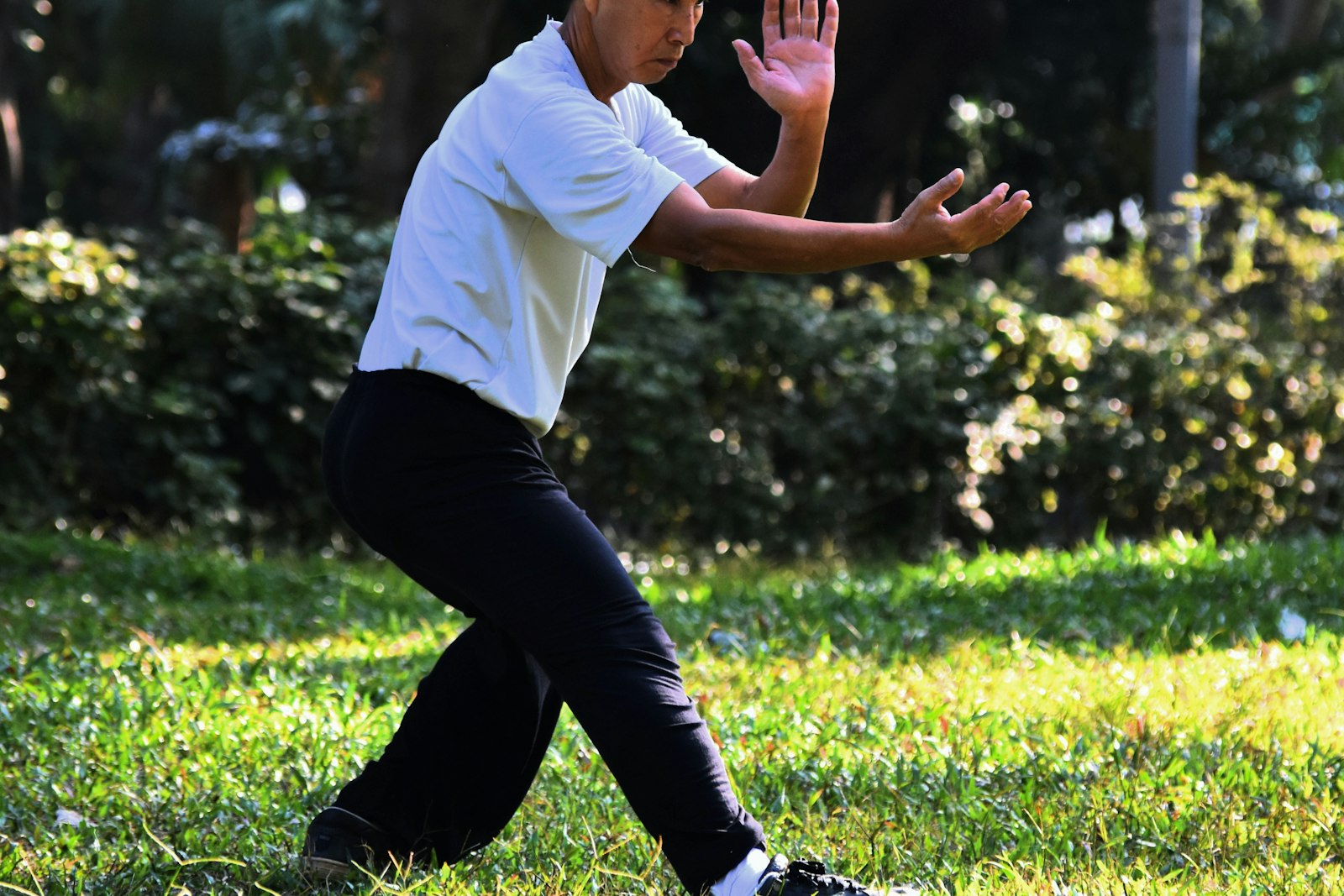
Tai chi is one of the best known ancient practices to translate the concept of chi into movement. Its roots lie in qigong, the breathing, mental focus and movement practices aimed at cultivating and balancing chi. There are two different accounts of tai chi's exact origin. One account holds that it was developed by the Taoist monk Zhang Sanfeng, believed to have lived sometime between the twelfth and fifteenth centuries, after he observed a fight between a snake and a crane. A more widely accepted account credits Chen Wangting, a retired general of the seventeenth century, with shaping tai chi by combining Shaolin martial arts with Taoist teachings on inner energy.
Tai chi is classified among the "internal" (neijia) schools of Chinese martial arts, meaning it focuses on cultivating and directing chi rather than relying on external muscular force. Practised through slow, flowing sequences often described as "meditation in motion," tai chi aims to relax the body, slow the mind, and allow chi to flow freely through it. Practised today in parks and studios around the world, tai chi has moved beyond its original martial function to become a practice sought out by many for balance, calm and general wellbeing.
A Shared Root, Different Paths
Chi and prana emerged in different geographies under different names, yet they share the same underlying idea, that the body is surrounded by an invisible energy that nourishes and sustains it. Tai chi is the way this idea took shape through movement and breath in Chinese culture, while yoga is its counterpart in Indian culture. Both traditions carry thousands of years of wisdom into the present, sharing the belief that balancing this energy brings physical and mental balance.
Conclusion
Chi and prana reflect an idea that humanity arrived at independently across different geographies, that of an invisible life energy sustaining the body. Ancient practices such as tai chi carry this thousands-of-years-old wisdom into the present, aiming to balance this energy through movement and breath. Today these ancient traditions serve as a complementary wellness practice, supporting a person's overall balance and sense of wellbeing without replacing medical treatment.
References
- 01Beginner's Guide to Qi Cultivation, Green Frog Tai Chi
- 02The History of Qigong and Tai Chi: Facts And Myths, Flowing Zen
- 03The History of Tai Chi Chuan: Part I, Tai Chi Foundation Inc
- 04History of Tai Chi, Tai Chi for Health Institute
- 05Tai chi, Wikipedia
- 06The Difference Between Qigong and Tai Chi, YMAA
- 07Qi Energy in Chinese Medicine, Yo San University
- 08Qi, Vital Substance in TCM, Me and Qi
This article is for informational purposes only and does not constitute medical advice. Practices related to chi, prana and tai chi are complementary wellness practices; they do not replace medical diagnosis or treatment. Please consult a physician for any health concerns.