
People who travel to London for work frequently find themselves with one unstructured day, and a common instinct is to fill it: three appointments, a lunch, a museum, and a departure at seven. The day gets used but not felt.
A more useful principle: one anchor, protected by space on either side. This is a guide to structuring that.
Choose one anchor, not three
The most common error is stacking treatments. A session of any kind followed immediately by another appointment means the first is spent partly anticipating the second.
Pick one thing. Put it in the late morning or early afternoon. Build the day around its edges rather than around its content.
The morning: keep it under-planned
Two hours before the anchor, at least. Not empty, under-planned.
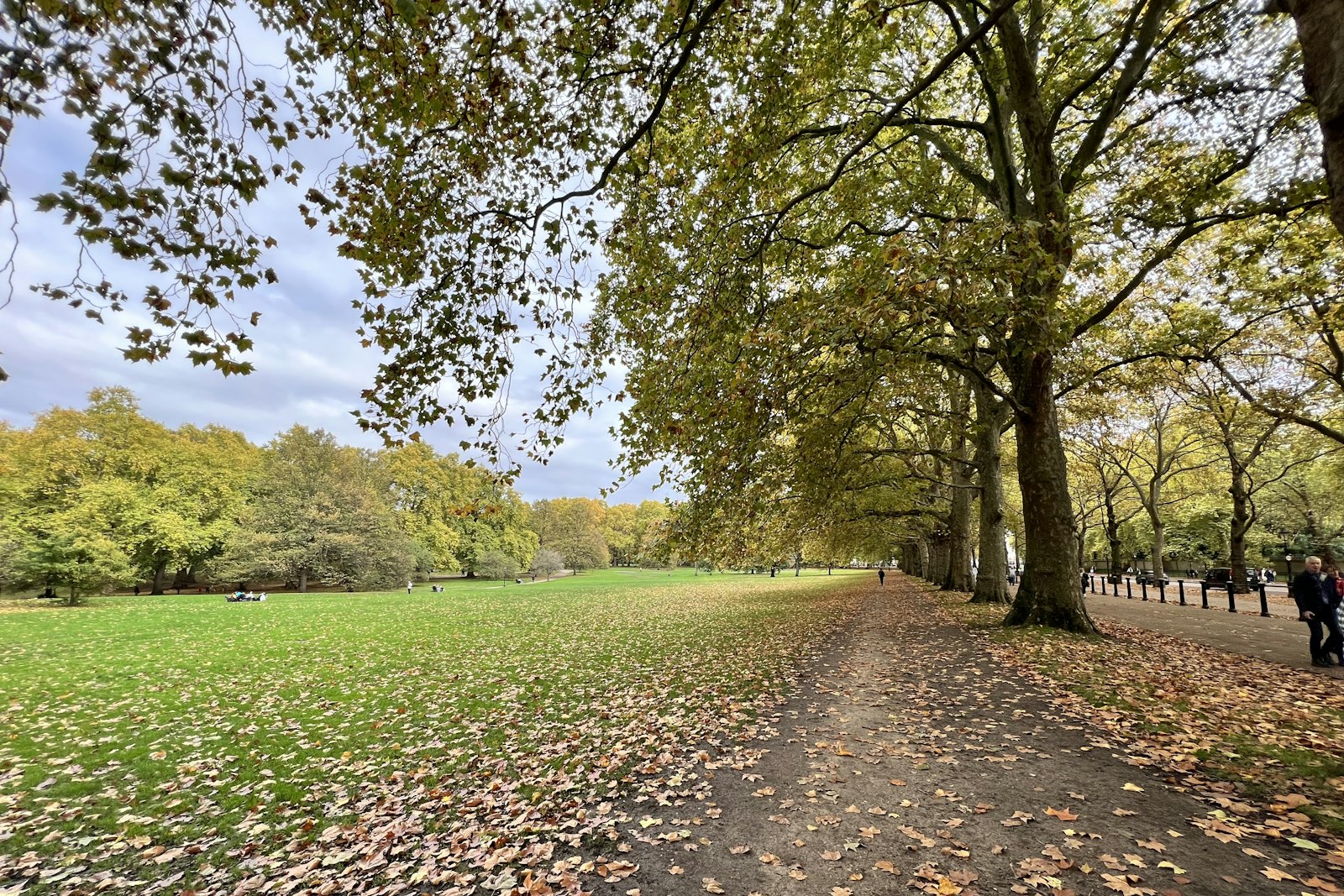
The Hampstead and Belsize Park side of north London suits this particularly well. The Heath is genuinely large enough to lose the city in, and the walk from Belsize Park up to Parliament Hill takes about half an hour with a view worth the climb. Breakfast in Hampstead village or on England’s Lane before you go up.
South of the river, Bermondsey and the walk along the Thames path towards Rotherhithe does a similar job with fewer people. West, the walk from Notting Hill through Holland Park is short, quiet and disproportionately restorative. The point is arriving at the anchor unhurried. A morning spent navigating the Central line at rush hour undoes a good deal of what the afternoon is for.
The anchor itself
Whatever you have chosen, whether bodywork, an energy session, acupuncture or a properly slow swim, give it the whole slot and half an hour afterwards with nothing in it. That half hour is not padding. It is the part most people delete and then wonder why the effect faded by evening.
Independent practitioners in London often work from partner spaces within established wellness centres, so check the address rather than assuming; the practitioner and the building frequently have different names.
The afternoon: one thing, chosen slowly
By this point most people’s capacity for stimulation is lower than they expect. Choose accordingly.
Good: a single gallery room rather than a whole museum. The Wallace Collection and the Courtauld both reward an hour. A long lunch somewhere you are not rushed out of. A bookshop. Sitting in a square. Kew or the Chelsea Physic Garden if the weather cooperates.
Less good: anything with a timed entry, anything requiring a queue, anything in the West End between four and seven.
The evening
The strongest version of this day ends early and quietly. A meal somewhere unhurried, a walk, and a properly early night. Most people who structure the day well report that the sleep is the part they remember.
If you are hosting or being hosted, arrange it for the following evening rather than this one. A day like this ending in a loud restaurant at nine is a day spent, not a day gained.
Practical notes for visitors
Book anything with a single practitioner well ahead; independent practices in London run limited hours and fill early. Confirm the exact building and floor. Ask about the cancellation window before you fly, particularly in winter.
If you are staying in central London and would rather not travel, some practitioners will attend hotels or private residences. This is reasonable, though it costs more, and it is worth confirming insurance arrangements for off-site work.
Finally, hold the plan loosely. The purpose of the structure is to protect space, not to fill it. A day in which the anchor happens and the rest quietly dissolves is a successful version of this, not a failed one.
References
This article is for general information and does not constitute medical advice. Bioenergy work is a complementary wellbeing practice and is not a substitute for medical diagnosis or treatment. If you have a health concern, please speak to your GP.