
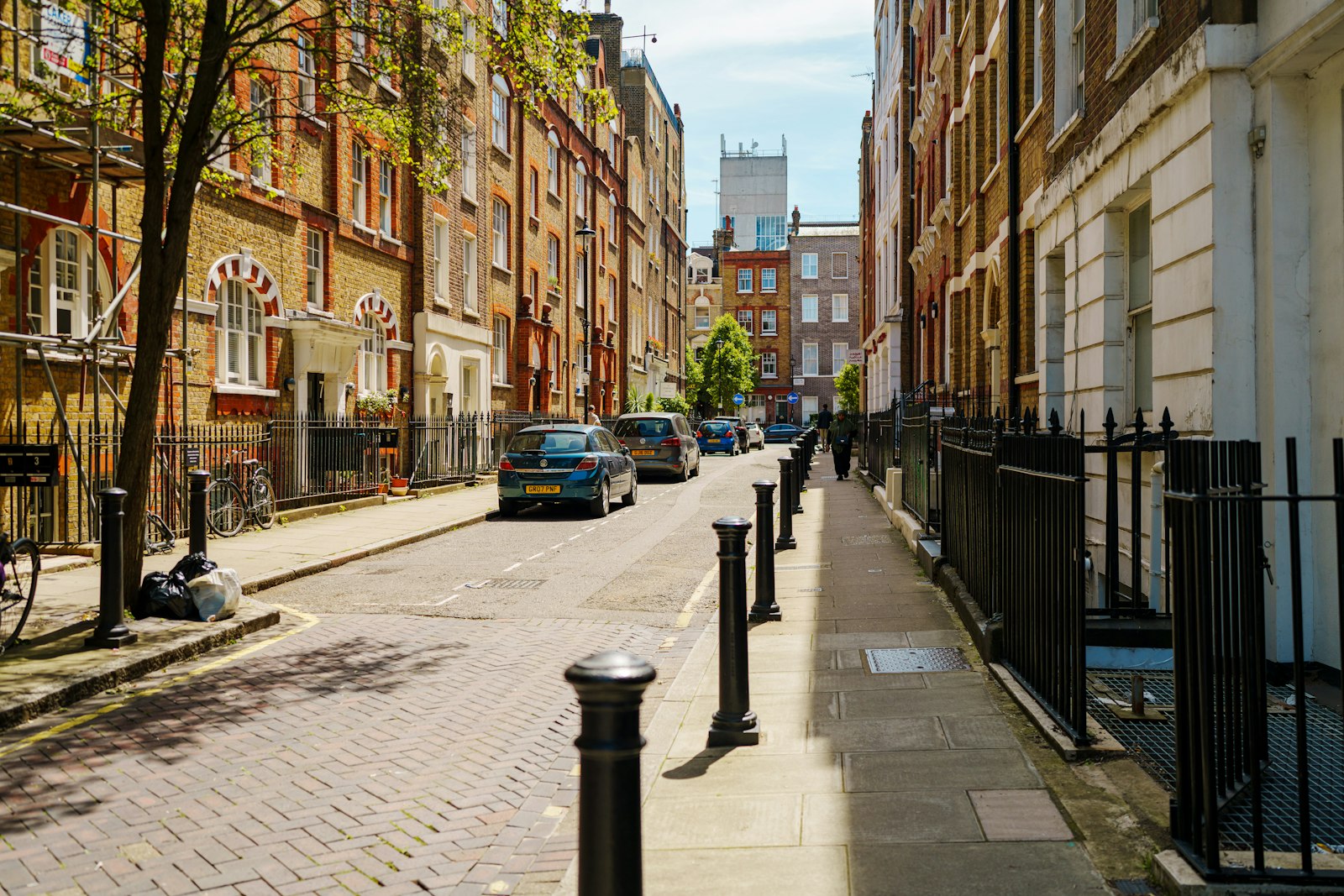
London has more wellness practitioners per square mile than almost any European city, which is both a gift and a problem. The gift is choice. The problem is that choice without criteria is just noise.
This is a practical guide to the bioenergy end of that market: how sessions are usually structured in London, where they take place, and what separates a considered practice from a poorly run one.
Where sessions happen
Most independent bioenergy practitioners in London do not run their own premises. Commercial rent makes that difficult for a single-practitioner practice, so the common model is partner space: a room within an established wellness centre, studio or members’ space, booked by the session or by the day.
In practice this works well. You get a properly maintained, quiet, insured space with a reception, rather than a converted room in a flat. Neighbourhoods where this is common include Belsize Park, Hampstead, Notting Hill, Marylebone and the studio spaces south of the river.
Some practitioners also work in hotel suites for guests staying in central London, and some travel to private residences. Both are legitimate arrangements, though home visits are worth a slightly closer look at insurance and cancellation terms.
How the London market is structured
Three broad tiers exist, and they are not really competing with each other.
Volume clinics offer short appointments at accessible prices, often with several practitioners rotating. Convenient, inconsistent.
Independent practitioners work alone, take fewer clients, and usually structure work as a short series rather than one-off appointments. Prices sit higher; continuity is the reason.
Hotel and residence-based practice serves people visiting London for a short window who want the session to come to them. Highest cost, driven by logistics rather than a different practice.
None of these is inherently better. They serve different constraints.
Questions worth asking before you book
1. How long have you practised, and where did you train? Vague answers here are a genuine signal. Bioenergy has no single governing body, which makes a specific, checkable training history more important, not less.
2. What does a series look like? If someone offers a single session as a complete solution for a long-standing habit, be sceptical.
3. Do you have public liability insurance for this space? Any professional operating in London will answer this in one sentence.
4. What do you not work with? A practitioner who cannot name a single category they decline is not thinking carefully.
5. What is your cancellation policy? Mundane, but it tells you whether you are dealing with a business or a hobby.
What no London practitioner should be telling you
That the work treats a diagnosed condition. That you can reduce or stop prescribed medication. That results are guaranteed. That a specific number of sessions produces a specific outcome. That the practice is a substitute for seeing your GP.
These are not stylistic preferences. UK advertising rules take a firm line on health claims in this sector, and a practitioner who ignores those rules in their marketing is unlikely to be more careful in the room.
Cost and expectations
London pricing for independent bioenergy practice generally reflects session length, the practitioner’s experience, and whether the work is structured as a series. It is worth asking for the full series cost upfront rather than a per-session figure. A practice with nothing to hide will give you that number without being pushed.
Finally: bioenergy work in London is complementary. It sits alongside your existing healthcare, not instead of it. If you are dealing with a medical concern, that conversation belongs with your GP first, and a reputable practitioner will say the same thing before you have finished asking.
References
- 01Health: Therapies (General), Committee of Advertising Practice (CAP) / Advertising Standards Authority
- 02Healthcare: Medicinal claims, Committee of Advertising Practice
- 03Claims in testimonials and endorsements, Committee of Advertising Practice
- 04Reiki, National Center for Complementary and Integrative Health (NCCIH), US National Institutes of Health
This article is for general information and does not constitute medical advice. Bioenergy work is a complementary wellbeing practice and is not a substitute for medical diagnosis or treatment. If you have a health concern, please speak to your GP.